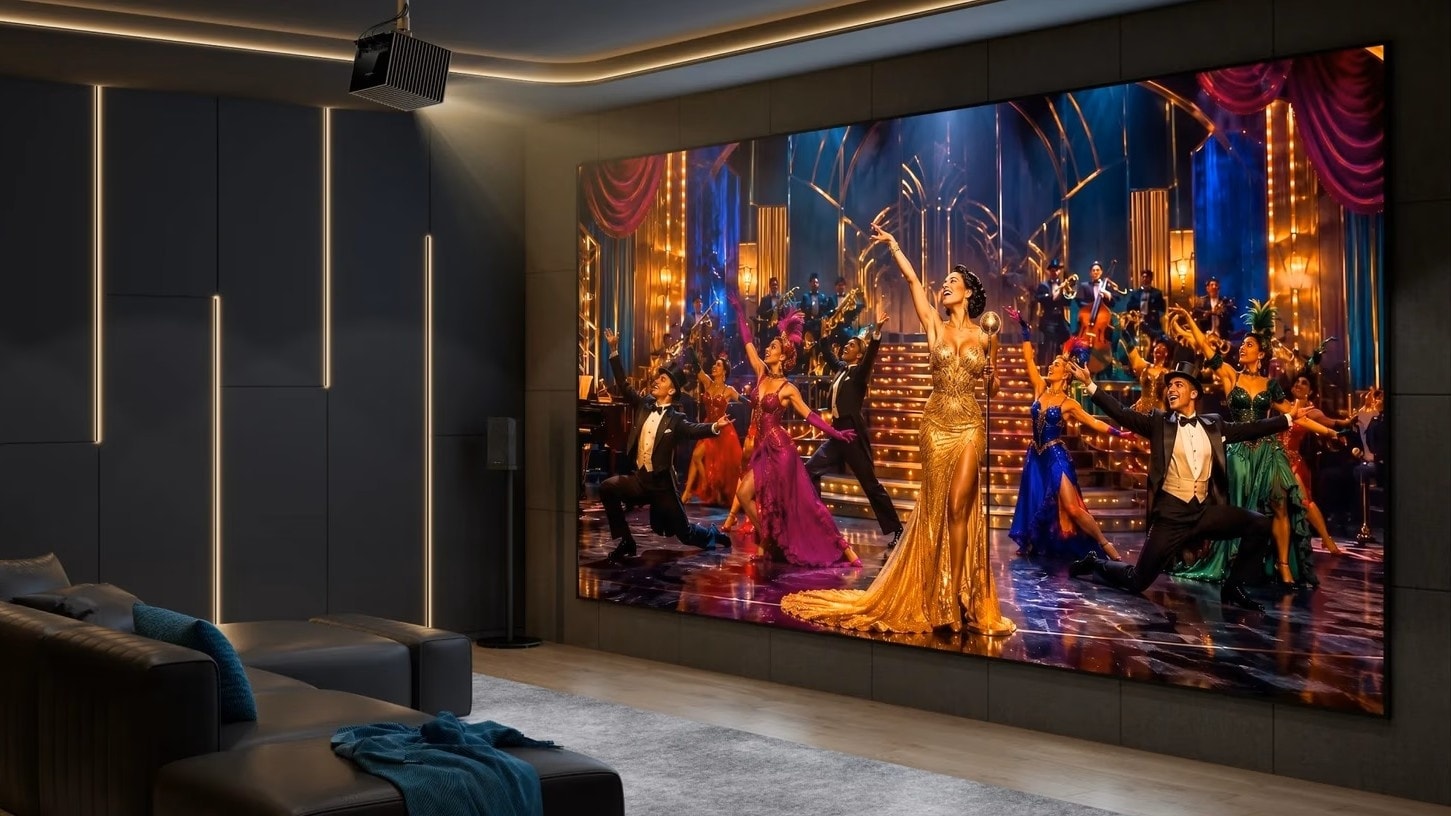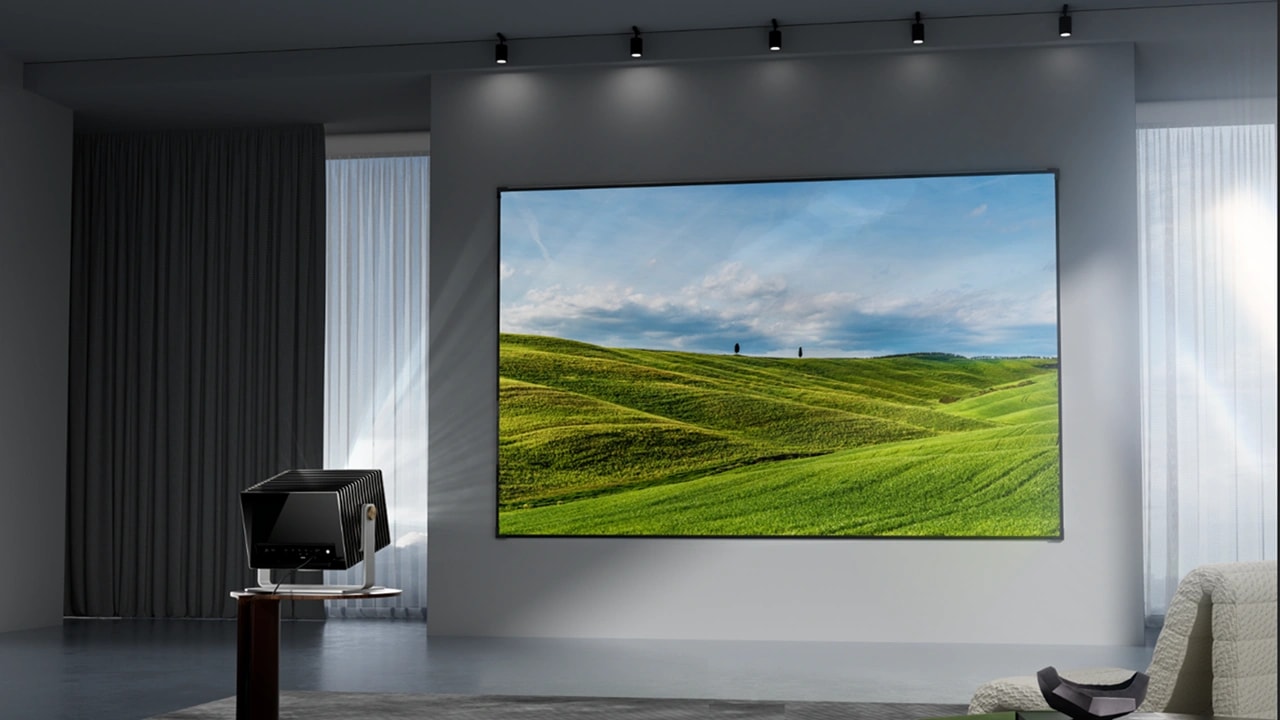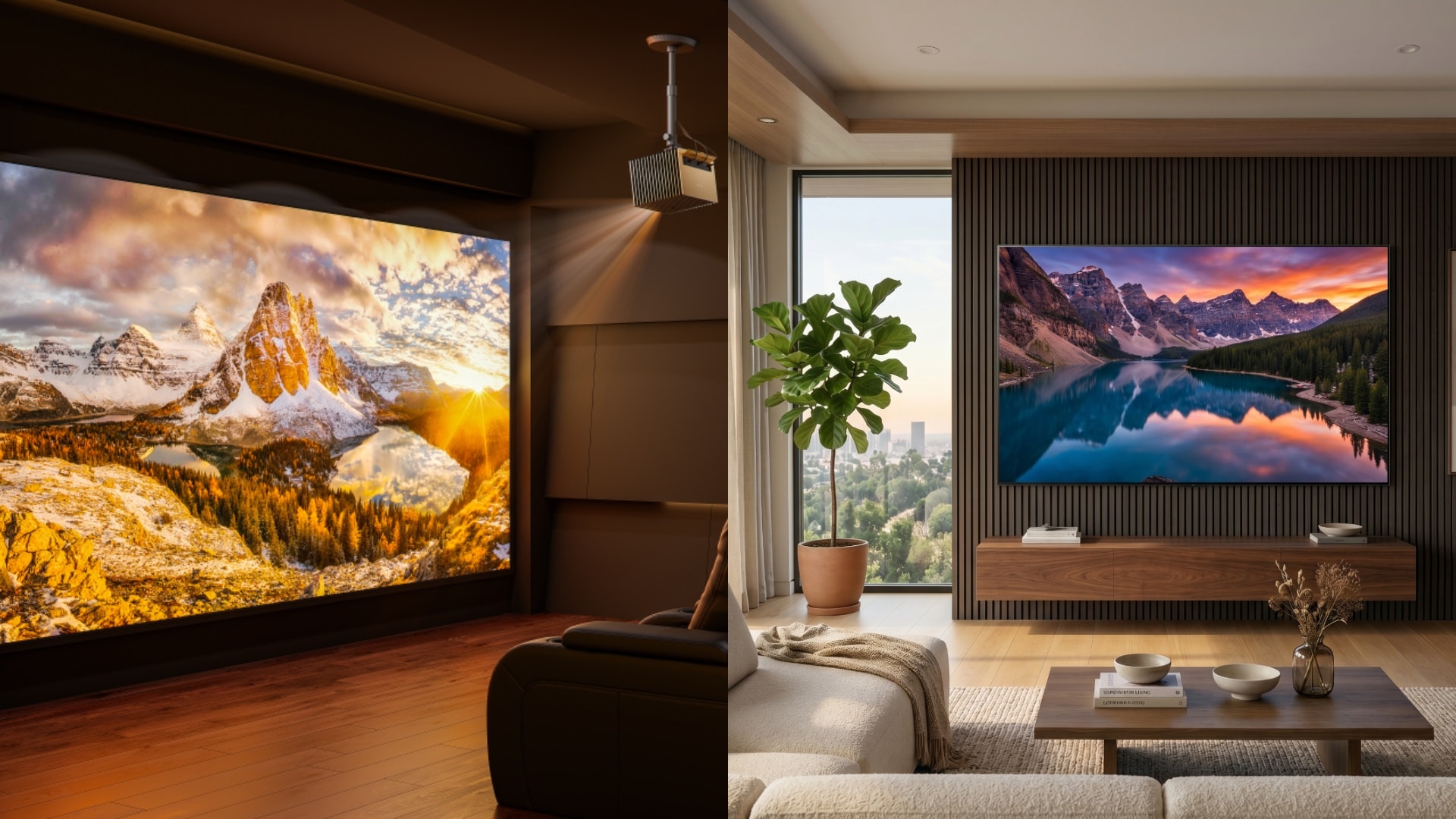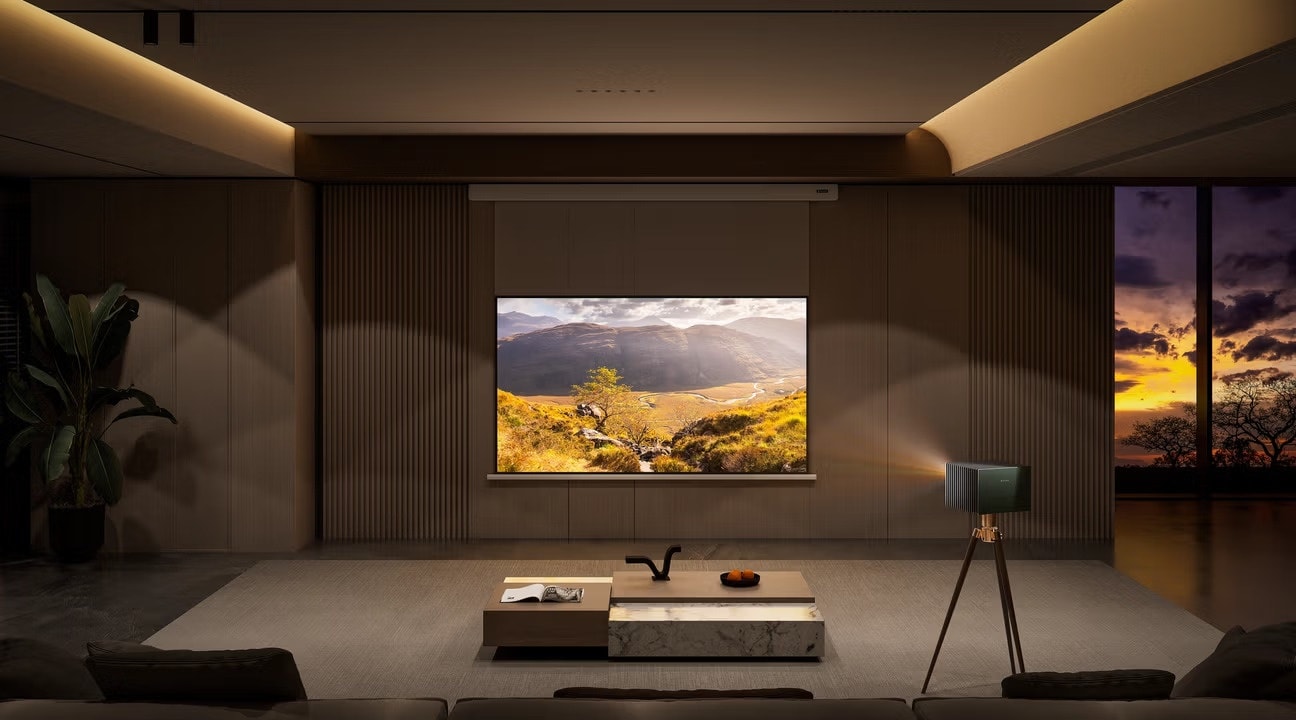
If you are wondering exactly how to build a home cinema, know that it takes more than simply putting a big TV in your living room. A strategic home cinema room design dictates your entire viewing experience. By combining lifelike visuals, immersive audio, and a room optimized to reduce echo, you create a genuine cinematic environment.
Your budget determines the total cost, whether you opt for a DIY home cinema setup in a living space or a dedicated, high-end room. Understanding these core elements is the first step toward an unforgettable movie night.
The Basics: How to Build a Home Cinema Environment
Building a genuine cinematic environment requires a dedicated approach. A casual media room might have a nice TV, but a true cinema fills your entire field of view, making the physical room disappear. Achieving this massive scale is essential for immersion.
The Definition of a True Cinema: Why Scale is Non-Negotiable
A “true cinema” is defined by its ability to consume the viewer’s field of vision completely. A screen must be large enough to make the physical room disappear. Achieving a massive scale is how you build a home cinema. This scale of display might be expensive for most of us. This is why we move beyond TV.
The “Cost-Per-Inch” Reality: Projectors vs Massive TVs
Owning a 100-inch+ OLED or QLED TV is astronomical compared to the accessible, superior value of high-end 4K projectors. For example, a product from a reputable brand costs more than $5000.
When aiming for a 120-inch or larger display, the cost per inch should be considered, as most high-end TVs and projectors deliver similar image quality, making the comparison between them thin. For screens up to 300 inches, home cinema projectors like the Valerion VisionMaster series offer a competitive price-to-performance ratio, making them a popular choice among enthusiasts.
The Visual Foundation: Best Projector for Home Cinema Setup
When your screen stretches past 100 inches, pixel density and color accuracy become paramount. A massive display needs a flawless visual engine to prevent image degradation. Here is what matters most:
- Visual Integrity: The magic of movies relies on precise color reproduction. Look for projectors with wide color gamut support to ensure you see the director’s true intent.
- Contrast: While older projectors struggled with “washed-out” images, modern laser projectors offer high manufacturer-rated contrast ratios for deep, layered black levels.
- Brightness: A projected image that appears washed out could be due to ambient light or to a projection that is not bright enough. The recommended projector is color-accurate and offers a high contrast ratio without sacrificing brightness. For example, the Valerion VisionMaster 4K projector. It projects an image with a 50,000:1 contrast ratio and 3,500 ISO lumens of brightness without sacrificing color gamut, i.e., 110% Rec.2020. It can deliver deeper black levels with EBL (Enhanced Black Level) tech at a 300-inch screen.
Audio Setup: Creating a 3D Surround Sound System
To truly suspend disbelief and transport yourself into the film, you need a robust audio setup.
A single soundbar is not enough to replicate the directional audio intended by sound engineers, as it lacks the physical speaker separation required for spatial audio. This is why a dedicated surround sound system is mandatory.
- Standard 5.1 Setup: The foundation of home audio. It includes front left/right speakers, a center speaker, two surround speakers, and one subwoofer.
- Advanced 7.2.4 Setup (Dolby Atmos): For the best 3D uncompressed audio, this mimics commercial theaters. It includes 7 ear-level speakers (front L/R, center, 2 surrounds, 2 rear surrounds), 2 subwoofers, and 4 overhead height speakers.
- Acoustic Treatment: Uncontrolled sound bounces around a large room, creating echoes. Installing acoustic panels reduces reflections, ensuring crisp dialogue and precise sound placement.
Room Design: Crafting the Perfect Viewing Environment
The physical space profoundly affects your equipment's performance. Controlling light and room aesthetics ensures your focus remains entirely on the screen. To add character and depth, consider your creativity for home theater design.
Lighting Control and Dark Matte Walls for Better Visuals
- Controlling Ambient Light: Eliminate natural light sources using blackout curtains or motorized shades.
- Wall Color Strategy: Glossy walls reflect light, creating a continuous loop that washes out the projected image. Use matte paints in colors like charcoal, deep navy, or black for the walls and ceiling.
Choosing the Right Projector Screen for Your Home Cinema
A standard white bedsheet creates hotspots and dulls the image. Choose a professional screen based on your environment:
- Ambient Light Presence: Ambient Light Rejecting (ALR) screen (fresnel or lenticular).
- Pitch Dark Room: Standard matte white projector screen.
- Hidden Speakers: Acoustically transparent screen.
Theater-Grade Seating
When you mull over how to build a home cinema, consider how the image will appear to the rest of the audience. Each person in the room might perceive the image differently.
- Viewing Angles and Distance: The white matte screen has broader viewing angles than the ALR screen. For the ALR screen, test different heights to find the optimal angle. For standard screens, the sitting distance typically ranges from 1.2 to 1.5 times the screen's diagonal length, depending on your level of immersion. (Note: Seating distance is closely tied to the projector's throw ratio. While most models use a standard 1.2–1.5:1 ratio, the Valerion VisionMaster Pro2 features a more versatile 0.9–1.5:1 range, making it easier to achieve large screen sizes in smaller rooms.)
- Comfort: An average movie lasts 2-3 hours. To enhance the immersive home cinema experience, consider a dedicated plush recliner. This ensures comfort for the whole family over tired seating.
How Much Does It Cost to Build a Home Cinema? A Realistic Breakdown
A high-end experience requires a strategic allocation of funds across video, audio, and room design. While DIY approaches, like painting the walls yourself or hanging acoustic panels, can save on professional labor, building a true cinematic space requires a realistic equipment budget.
Here are realistic cost expectations for a dedicated home cinema in 2026:
Entry-Level Dedicated Room ($3,400 - $6,100 Total):
- 4K Laser Projector: $1,500 - $2,500
- Projector Screen (Matte/Basic ALR): $300 - $600
- Surround Sound (5.1 Setup): $800 - $1,500
- Acoustics & Decor: $300 - $500
- Seating & Lighting: $500 - $1,000
Premium Enthusiast Room ($8,800 - $17,000+ Total):
- 4K Laser Projector: $3,000 - $4,000+
- Projector Screen (Premium ALR): $800 - $1,500
- Surround Sound (Dolby Atmos Setup): $2,000 - $4,000+
- Acoustics & Decor: $1,000 - $2,500+
- Seating & Lighting: $2,000 - $5,000+
FAQs About Building a Home Cinema
How much does it cost to build a home cinema on a realistic budget?
A high-quality, dedicated home cinema typically starts around $3,400 for entry-level setups and scales up to $10,000+ for premium setups featuring 4K triple-laser projectors and Atmos audio.
Is a surround sound system necessary, or is a soundbar enough in a home theater?
For a true cinema experience, a dedicated surround sound system is mandatory. Soundbars are great for living rooms, but they lack the physical speaker separation required for genuine spatial audio immersion.
What is the ideal room size for a home cinema?
A rectangular room roughly 15 feet wide by 20 feet long is a great starting point. It provides ample space for a 120-inch screen and proper speaker separation without severe acoustic echoes.
Do I need blackout curtains if my projector is highly luminous?
Yes. Even with a high-brightness projector, eliminating ambient light ensures you get the deepest black levels and highest contrast possible.
Can I build a home cinema in a living room, or do I need a dedicated space?
You can build one in a living room using an Ambient Light Rejecting (ALR) screen and a high-lumen projector. However, a dedicated space allows for total light control and optimal acoustic tuning.
What screen size should I aim for when learning how to build a home cinema?
The cinematic sweet spot usually ranges from 100 to 150 inches, depending on your room size and viewing distance. At this size, the screen dominates your peripheral vision, ensuring total immersion.
Conclusion
Understanding the essentials of building a home theater helps you create a professional-grade home cinema. These components include lifelike visuals, immersive audio, acoustic treatments to optimize your room, and light control to maximize contrast.
While the cost of building a home cinema depends on your specific goals, a dedicated entry-level setup starts around $3,400. To maximize value, prioritize your budget toward a high-performance visual engine and a surround-sound system that delivers true 3D audio. Investing in a projector remains the most cost-effective way to achieve massive scale without the premium price tag of ultra-large televisions. For instance, the Valerion VisionMaster series offers up to a 300-inch screen with 4K resolution and a 50,000:1 viewing contrast ratio, delivering 2026-level performance today.
Prime Day Extended: AWOL Valerion Limited-Time Encore Offers (6.27 - 7.3)
Missed out on the Prime Day rush? Valerion is officially kicking off its Prime Day Encore Sale from June 27 to July 3, bringing back exclusive, limited-time pricing on our 2025 Red Dot Award-winning flagship projectors:
AWOL Valerion Max: Our professional-grade 4K home theater flagship, boasting 3,500 ISO lumens and a stunning 50,000:1 contrast ratio, is available at a special encore price of $3,399 (Save $600).
AWOL Valerion Pro 2: The go-to choice for premium 4K RGB triple laser projection, now slashed by $900 for a limited-time price of just $2,099.
Looking for the ultimate setup? Head over to our Prime day projector deals page to explore even more exclusive bundle offers—incredible surprises await you!
This encore event wraps up officially on July 3, and quantities are limited. Visit our official site today to configure your dream home theater setup before it's gone.