Home Theater Design Ideas to Elevate Your Entertainment Experience
August 28, 2026
A great home theater isn't only about choosing a large screen. Room layout, seating, lighting, acoustics, and décor all fundamentally affect how the space looks and performs. Whether you're working with a finished basement, a spare bedroom, an open living room, or a dedicated custom cinema room, the right design can make the space feel both comfortable and deeply immersive.
Creating that perfect cinematic escape requires balancing visual inspiration with practical layout strategies. Below, we’ll explore 15 home theater design ideas for different room sizes, styles, and budgets, along with essential tips on layout, lighting, and choosing the right equipment to bring your vision to life.
How to Plan Your Home Theater Design
Before diving into aesthetics, establishing a solid foundation for your room will ensure your design not only looks incredible but sounds and performs flawlessly.
Choose the Right Room
While you can build a media space almost anywhere, certain room proportions can help reduce problematic sound modes and echoes. A rectangular room is generally preferred over a perfectly square room, as identical wall lengths can cause bass buildup and audio cancellations. If you are building from scratch, following general rectangular proportion guidelines can give you a head start on good acoustics, but there is no single ideal ratio for every home theater.
Plan the Screen and Viewing Distance
Your seating distance should also be considered when determining the right projector screen size and viewing angle. Industry standards from organizations like SMPTE and THX offer helpful guidelines based on horizontal viewing angles to ensure you get a cinematic feel without neck strain. As a general reference:
- 8 feet away: A 60-inch to 75-inch screen typically provides a balanced to cinematic view.
- 10 feet away: Aim for a 75-inch to 90-inch screen.
- 12 feet away: A 90-inch to 100-inch screen fills the visual field comfortably.
- 14 feet away: A 100-inch to 120-inch screen offers maximum immersion.
Arrange Your Seating
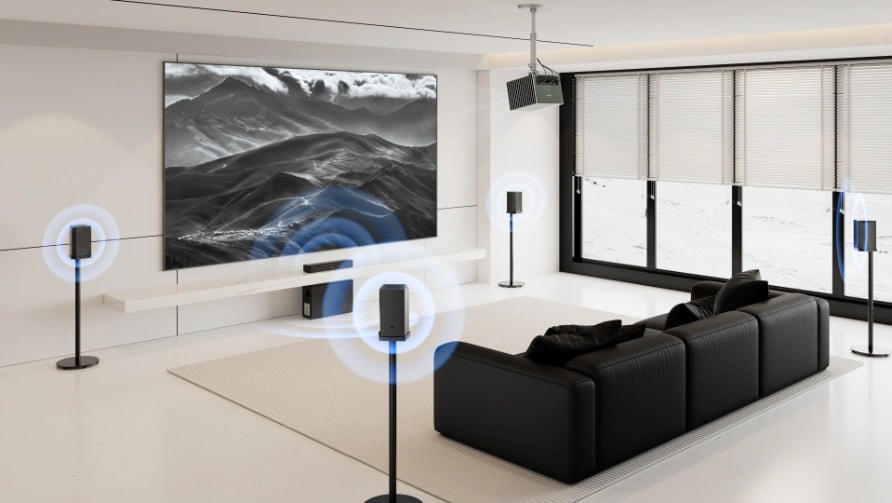
Comfort is paramount. Your primary seating row should be positioned so that the center of the screen rests at natural eye level (typically placing the bottom of the screen about 30 to 36 inches off the floor). Avoid pushing your main sofa directly flush against the back wall. Achieving immersive audio requires careful surround sound speaker placement, particularly when positioning the side and rear channels around the main seating area.
Plan for Acoustics
Even the most expensive audio system will sound muddy in an untreated room. Hard surfaces reflect sound, causing echoes that blur movie dialogue. Strategic placement of acoustic panels and other sound-absorbing materials can help reduce reflections and echoes, keeping the audio crisp. Plan to incorporate these alongside thick carpeting and plush seating.
Control Ambient Light
Light is the enemy of a projected image. Planning for ambient light control means investing in blackout curtains, installing track-guided shades, and painting the walls in darker, matte colors to prevent light from bouncing off the screen and washing out the contrast.
15 Home Theater Design Ideas
Whether you are working with a massive, windowless basement or trying to squeeze a cinematic setup into a tight spare bedroom, these distinct themes will help you visualize the perfect layout for your aesthetic and budget.
1. Modern Minimalist Home Theater
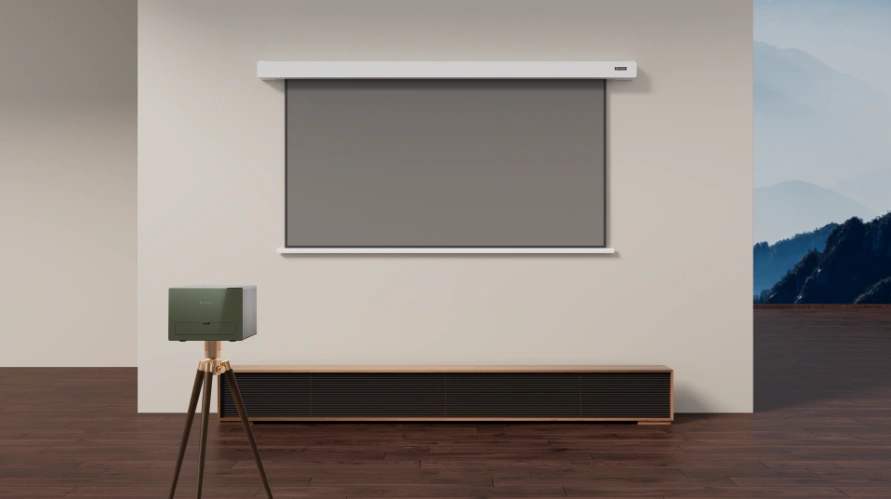
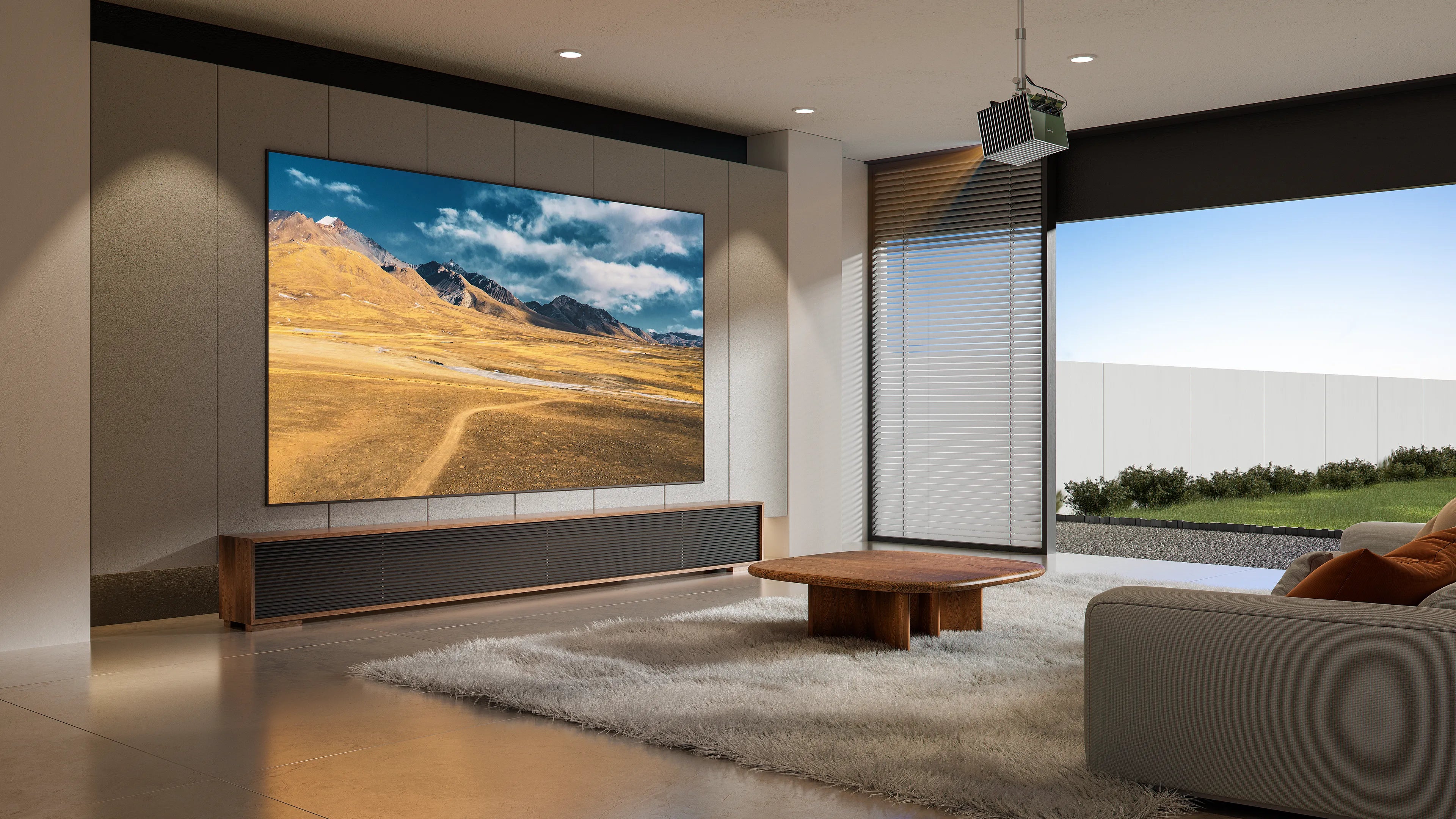
For a minimalist home theater, keep the visual field clean by hiding cables, using recessed lighting, and choosing furniture with simple geometric lines. A wall-mounted screen paired with a ceiling-mounted projector keeps equipment from taking up valuable floor space. Choosing a sleek model like the AWOL Valerion Pro2 allows you to maintain that clean aesthetic while still delivering vibrant 4K visuals.
2. Cozy Basement Home Theater
A basement can be an ideal setting for basement home theater ideas, thanks to its limited natural light and separation from the rest of the home. Turn this to your advantage by focusing on warmth: use deep-pile carpeting, soft oversized throws, and warm-toned LED accents. Because basements can be quiet, enclosed spaces, projector fan noise can sometimes be distracting during silent movie scenes. Opting for a projector with a dedicated Low Noise Mode ensures the technology doesn't interrupt the cozy atmosphere.
3. Luxury Home Theater
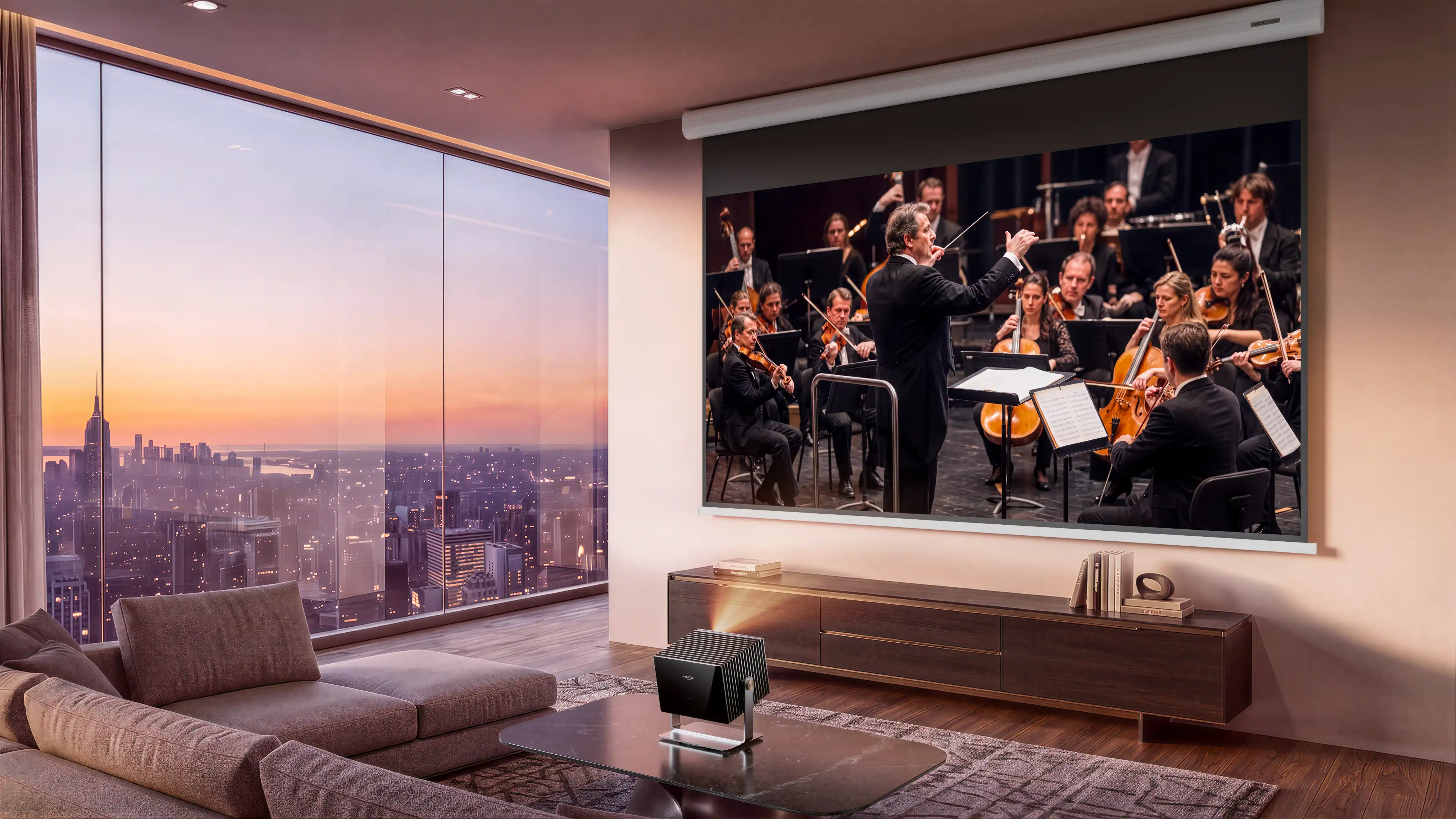
To achieve a high-end luxury feel, incorporate tiered leather recliners, velvet acoustic curtains, and custom millwork. In a premium dark-room setup, black-level performance is critical. A projector equipped with a Dynamic Iris and Enhanced Black Level (EBL) technology—like the AWOL Valerion Max—will automatically adjust to dark scenes, providing deep, cinematic blacks that match the luxurious surroundings.
4. Small Home Theater
You don’t need a massive room to enjoy a cinematic experience. For small spaces, focus on a single row of plush seating and wall-mounted equipment to maximize floor space. If placing the projector perfectly centered is impossible due to room constraints, utilizing a projector with advanced 8-point manual keystone correction will help you easily achieve a perfectly squared image on your screen.
5. Multi-Purpose Media Room
A media room often serves as a space for movie nights, daytime sports, and video games. This requires flexible seating, such as modular sectionals, and layered lighting that can transition from bright to dim. For gaming, ensure your projector offers low input lag (such as 4ms at 1080p@240Hz) so the room transitions seamlessly from a cinema to a high-speed gaming hub.
6. Family-Friendly Home Theater
When designing for families with kids, durability and flexibility are key. Opt for stain-resistant fabrics like leather or performance microfiber. Incorporate large, comfortable bean bags in the front row for children, and ensure your AV cabinet has built-in storage to hide away game controllers, blankets, and media players.
7. Gaming Home Theater
A gaming-centric theater should feature bold LED bias lighting behind the screen to reduce eye strain during long sessions. Include dedicated shelving for consoles and display areas for gaming collectibles. The visual focus should be on high refresh rates and vibrant color gamuts that make modern HDR games pop.
8. Classic Cinema Home Theater
Recreate the golden age of Hollywood with deep red velvet curtains, vintage movie posters framed in marquees, and traditional brass wall sconces. To truly honor the cinematic art form, pair this aesthetic with a projector that supports native 24FPS Film Motion, preserving the exact visual cadence and rhythm the director intended.
9. Sci-Fi Home Theater
Lean into a futuristic aesthetic with dark metallic gray walls, neon blue or purple LED strip lighting running along the baseboards, and smart home integration. Using platforms like AWOL Link allows you to dim the lights, drop the motorized screen, and start the movie with a single voice command or tap on your smartphone.
10. Living Room Home Theater
Integrating a theater into a primary living space means the tech shouldn't dominate the room when turned off. Use a motorized drop-down projector screen that disappears into the ceiling, and hide your center-channel speaker inside an acoustically transparent media console.
11. Home Theater with Tiered Seating
If you plan to host larger groups, tiered seating is a must to ensure unobstructed sightlines. The ideal riser height depends on the screen position, seating height, and the distance between rows. Many two-row home theaters use a raised rear platform to significantly improve the viewing experience for guests in the back.
12. Home Theater with a Star Ceiling
A fiber-optic star ceiling is a breathtaking addition that adds vertical depth to a windowless room. The subtle, twinkling lights create the illusion of an open night sky, enhancing the magic of the movie-watching experience without casting unwanted glare onto the projector screen.
13. Home Theater with Built-In Storage
Custom cabinetry built around the screen can frame the image beautifully while hiding unsightly subwoofers, AV receivers, and Blu-ray collections. Be sure to use acoustically transparent fabric on the cabinet doors covering the speakers so the sound remains unobstructed.
14. Black-and-Dark Home Theater
For ultimate picture quality, design a "batcave" theater. Paint the walls, ceiling, and even the doors in flat black or deep charcoal. By eliminating all reflective surfaces, the contrast ratio of your screen will appear dramatically higher, making HDR content look incredibly punchy and realistic.
15. Budget-Friendly Home Theater
You can build an impressive theater on a budget by getting creative. Use DIY acoustic panels made from rockwool and canvas, paint a dedicated projection wall with specialized screen paint, and hunt for high-quality secondhand seating. Invest the bulk of your budget into a reliable projector and a solid 5.1 surround sound system.
Home Theater Layout Ideas
The physical arrangement of your seating dictates sightlines, acoustic sweet spots, and the overall flow of the room. Depending on your available space, here are the most effective configurations to consider.
Single-Row Seating
Ideal for rooms shorter than 12 feet, a single-row layout focuses on finding the acoustic "sweet spot" (usually about two-thirds of the way back into the room). This layout allows for a massive screen relative to the seating distance and simplifies surround sound setup.
Two-Row Seating
For rooms longer than 15 feet, a two-row layout requires a riser platform for the second row. A great space-saving alternative to a second row of recliners is building a counter-height bar directly behind the primary sofa, paired with high barstools for casual viewing and dining.
Small-Room Layout
When exploring small home theater ideas, skip the bulky recliners in tight spaces and opt for a space-efficient sectional pushed slightly off the back wall. Use in-wall or in-ceiling speakers to save floor space, and consider a short-throw projector to achieve a large image without requiring 15 feet of throw distance.
Home Theater Lighting Ideas
Good home theater lighting should provide enough illumination for moving around the room without introducing distracting reflections on the screen.
Recessed Lighting
The backbone of theater lighting, recessed ceiling lights (can lights) provide general illumination for cleaning and finding seats. Always place them on dimmers so they can fade out smoothly when the movie starts.
LED Accent Lighting
Run LED strips under the seating riser, along the crown molding, or behind the screen. This provides a soft, localized glow that adds atmosphere and safety without washing out the projected image.
Wall Sconces
Sconces break up large, flat acoustic walls and add a classic theater vibe. Ensure the sconces direct light up and down rather than outward, and use low-lumen bulbs to prevent screen glare.
Smart Lighting
Integrate your lighting into a smart home system. Creating a "Movie Time" scene that slowly dims the overheads and turns on the floor accents sets the perfect mood automatically.
Home Theater Seating and Décor Ideas
The furniture and finishes you choose do more than just establish the room's visual style. They play a crucial role in your physical comfort during long movie marathons and actively impact the room's overall acoustic and visual performance.
Recliners
Dedicated theater recliners offer individual cup holders, USB charging, and motorized headrests. Look for matte leather or microfiber finishes to avoid reflecting light from the screen.
Sofas and Sectionals
For a more casual, living-room feel, oversized sectionals or "pit" sofas allow families to lie down and cuddle, making the space feel less rigid and more inviting.
Acoustic Wall Panels
Décor that doubles as sound treatment is highly effective. You can purchase or build acoustic panels wrapped in custom fabrics—or even printed with movie art—to tame room echoes while adding visual flair.
Carpet and Flooring
Hardwood floors bounce sound aggressively. If you must have hard floors, lay down the thickest, largest area rug possible between the seating and the screen to absorb audio reflections.
Movie Posters and Décor
Frame classic movie posters in backlit LED marquees for an authentic cinema corridor feel. Just be mindful to place highly reflective glass frames outside the main viewing area or on the back wall.
How to Choose a Projector for Your Home Theater
The equipment you choose should naturally complement your room's design and physical constraints.
Brightness
If your room has windows or you plan to leave ambient lights on (like in a multi-purpose room), you need higher brightness. Look for projectors pushing 2000 to 3000 ISO lumens to cut through the light.
Resolution
For screens 100 inches and larger, 4K resolution is strongly recommended. The pixel density of 4K ensures that even when sitting close, the image remains razor-sharp and free of visible pixel grids.
Throw Distance
Before choosing a projector, consider the room's dimensions, screen size and projector throw ratio to make sure the image can be positioned correctly. Check the projector's optical zoom range (e.g., 0.9–1.5:1) to ensure it can cast your desired image size from where you intend to mount it.
Screen Aspect Ratio
While 16:9 is standard for TV, true movie enthusiasts often prefer a 21:9 Cinemascope screen. Premium projectors from AWOL Valerion support anamorphic 2.0:1 and 1.85:1 modes, allowing you to recreate the ultra-wide aspect ratio of a commercial movie theater without black bars.
Contrast and HDR
In a light-controlled, dark theater, contrast is king. Features like a Dynamic Iris physically adjust light output frame-by-frame to preserve shadow details in dark scenes while keeping highlights punchy. This is exactly why we have rolled out the recent OTA 3 firmware update—adding this Dynamic Iris capability alongside customizable Enhanced Black Level (EBL) settings to push their hardware's cinematic contrast even further after launch.
Home Theater Design FAQs
What is the best room size for a home theater?
While there is no perfect size, a room around 15 feet wide and 20 feet long (with high ceilings) is generally excellent for two rows of seating and proper acoustic spacing. However, great theaters can be designed in spaces as small as 10x12 feet.
How do I design a home theater in a small room?
Focus on spatial efficiency. Use a single row of seating, mount speakers in the walls or ceiling, paint the room a dark matte color to enhance perceived depth, and carefully calculate your throw distance to maximize screen size.
What color is best for a home theater?
Dark, matte, or flat colors are best. Deep grays, navys, forest greens, or flat blacks absorb stray light from the projector, preventing it from bouncing off the walls and washing out the contrast on your screen.
How far should I sit from a projector screen?
A common rule of thumb is to sit at a distance equivalent to 1 to 1.5 times the diagonal width of your screen. For example, if you have a 100-inch screen, an ideal seating distance is roughly 10 to 12 feet away.
Should a home theater screen be on the long or short wall?
Generally, placing the screen on the shorter wall is preferred. This setup projects the sound down the length of the longer room, providing better audio distribution, fewer immediate side-wall reflections, and enough depth for multiple seating rows.
Conclusion
Creating the ultimate cinematic escape in your own home is an exciting journey that blends creativity with practical geometry. Regardless of space, a great home theater design ultimately comes down to finding the right balance of room layout, screen placement, comfortable seating, controlled lighting, and sound-absorbing acoustics. By thoughtfully planning these foundational elements and pairing them with a high-quality AWOL Valerion projector, you can build a breathtaking, immersive environment that perfectly fits your lifestyle and rivals the local cinema.
Member Benefits
Bring Your Cinema Experience Further
Subscribe and receive a $50 Welcome Benefit plus 4 pairs of 3D glasses, along with exclusive Valerion updates.

Points & Rewards

Member Pricing

Early Access

Priority Support
Discover More Insights