There is no single lumen figure that makes a projector bright enough for every room. The right brightness depends on four factors: how brightness is measured, how much ambient light is present, how large the image is, and what screen you are projecting onto.
First, check the projector’s measurement standard, as lumen figures are not always directly comparable. Ambient light matters too: dark home theatres need less brightness than rooms with lamps or windows. Larger images spread light over a wider area, reducing perceived brightness, while screen material, gain, and viewing conditions also affect the result.
Use the table below as a starting point, adjusting the range for your actual room, screen size, and viewing conditions.
Projector Lumens at a Glance
| Use case | Starting brightness | Assumed screen | Lighting | Key caveat |
|---|---|---|---|---|
| Dark home theatre | 1,500–2,500 ANSI/ISO-class lumens | 100–120 inches | Little or no ambient light | Prioritise contrast, colour accuracy, and screen quality |
| Living room | 2,500–4,000 ANSI/ISO-class lumens | 100–120 inches | Some ambient light | Keep direct light off the screen; ALR may help |
| Office or classroom | 3,000–5,000 ANSI/ISO-class lumens | Typically 80–120 inches | Lights on and/or daylight | Ensure text and graphics remain clear |
| Garden cinema | 2,500–3,500 ANSI/ISO-class lumens | 100–150 inches | After dusk | Larger screens need more light; dusk is not daylight |
| Large venue | 5,000+ ANSI/ISO-class lumens | Large-format | Venue-specific | Professional specification is required |
These are starting ranges, not universal targets. They use measured lumens; ISO/IEC 21118:2020 is the relevant standard for projector specification information, and measurement methods can vary. For example, a 100–120-inch screen in a dark room may suit around 1,500–2,500 lumens, while a living room with ambient light may need 2,500–4,000. Screen size, screen type, and viewing mode can all change the result.
What Do Projector Lumens Actually Measure?
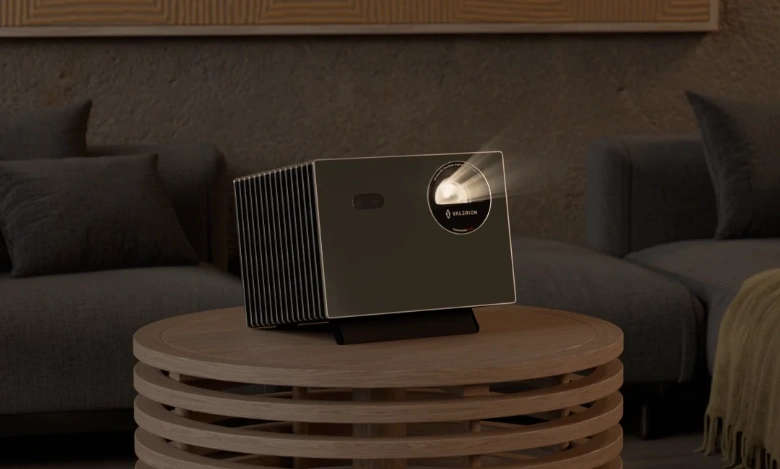
Lumens versus brightness on the screen
Lumens measure a projector’s light output, while perceived screen brightness also depends on image size, screen properties and ambient light. Lux measures illuminance on a surface, while foot-lamberts describe reflected screen brightness; these measures are related but not interchangeable.
ANSI lumens and ISO lumens
ANSI lumens and ISO lumens use defined measurement methods, so always check which standard is stated. Different measurement methods are not directly interchangeable, and there is no reliable fixed conversion between them.
LED lumens, light-source lumens, and unspecified claims
LED lumens and light-source lumens are not necessarily directly comparable with ANSI or ISO-rated output. “LED lumens” is not a universally standardised measurement, while light-source lumens can refer to light output before losses in the projector’s optical system. Treat claims such as “20,000 lumens” with caution when no recognised measurement standard is stated, as the figure has limited value for meaningful comparisons.
How to read a real projector specification
|
Specification label |
What it tells you |
How to use it |
|
ISO lumens |
Brightness measured using an ISO-defined method |
Useful for comparing products using the same standard |
|
ANSI lumens |
Brightness measured using an ANSI-defined method |
Compare with other ANSI-rated projectors |
|
LED lumens |
Brightness expressed using an LED-specific claim or method |
Do not assume it equals ANSI or ISO lumens |
|
Unspecified lumens |
Brightness figure without a stated measurement standard |
Treat with caution when comparing products |
For example, the AWOL Valerion Max lists 3,500 ISO lumens. The important detail is the defined ISO measurement label, not the number alone. A 3,500-lumen projector is not automatically suitable for every room or 3,500-lumen use case.
How to Work Out How Many Lumens You Need
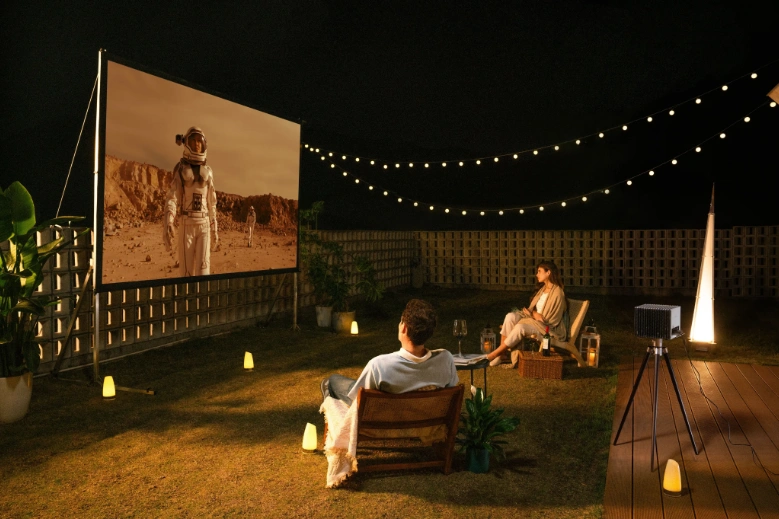
Start with ambient light
Ambient light is a major factor in projector brightness.
- Dark room: Lower brightness can suit films and home cinema.
- Controlled lighting: Moderate brightness is usually sufficient.
- Indirect daylight: More output may be needed.
- Direct light on the screen can wash out the image and reduce contrast, even with a bright projector.
- Outdoor shade: Requirements depend on the remaining ambient light.
- Dusk: Brightness needs vary as natural light fades.
- Full darkness: Lower brightness can produce a comfortable image.
- Direct sunlight: Standard home cinema projectors generally cannot maintain a clear image.
Account for image size
The larger the image, the more widely the same light is spread, reducing perceived brightness. A projector will generally appear brighter on a 100-inch screen than on a 150-inch screen at the same output. An advertised maximum screen size does not guarantee equal brightness at that size in every environment.
Check the screen material and gain
Screen properties affect perceived brightness. Matte-white screens offer balanced performance, higher-gain screens direct more light towards specific viewing positions, and ALR screens can reduce certain ambient light. A wall or white sheet is less predictable because texture, colour, unevenness and reflectivity can affect brightness and image quality.
Consider what you watch
- Films: Prioritise black levels, contrast and colour accuracy.
- Sport: More brightness can help with ambient light and larger group viewing.
- Gaming: Consider brightness alongside low input latency and dark-scene detail.
- Presentations: Prioritise clear text, charts and fine details, especially with the lights on.
Leave practical headroom without overbuying
Some brightness headroom can help account for room lighting, screen size, screen characteristics, and viewing mode. However, maximum brightness is not always better; excessive output can increase fan noise, affect colour performance or make a dark-room image unnecessarily bright. Choose output for your actual room, screen, and viewing habits rather than applying a fixed rule such as adding 20%.
Recommended Projector Lumens by Use Case
Dedicated home theatre
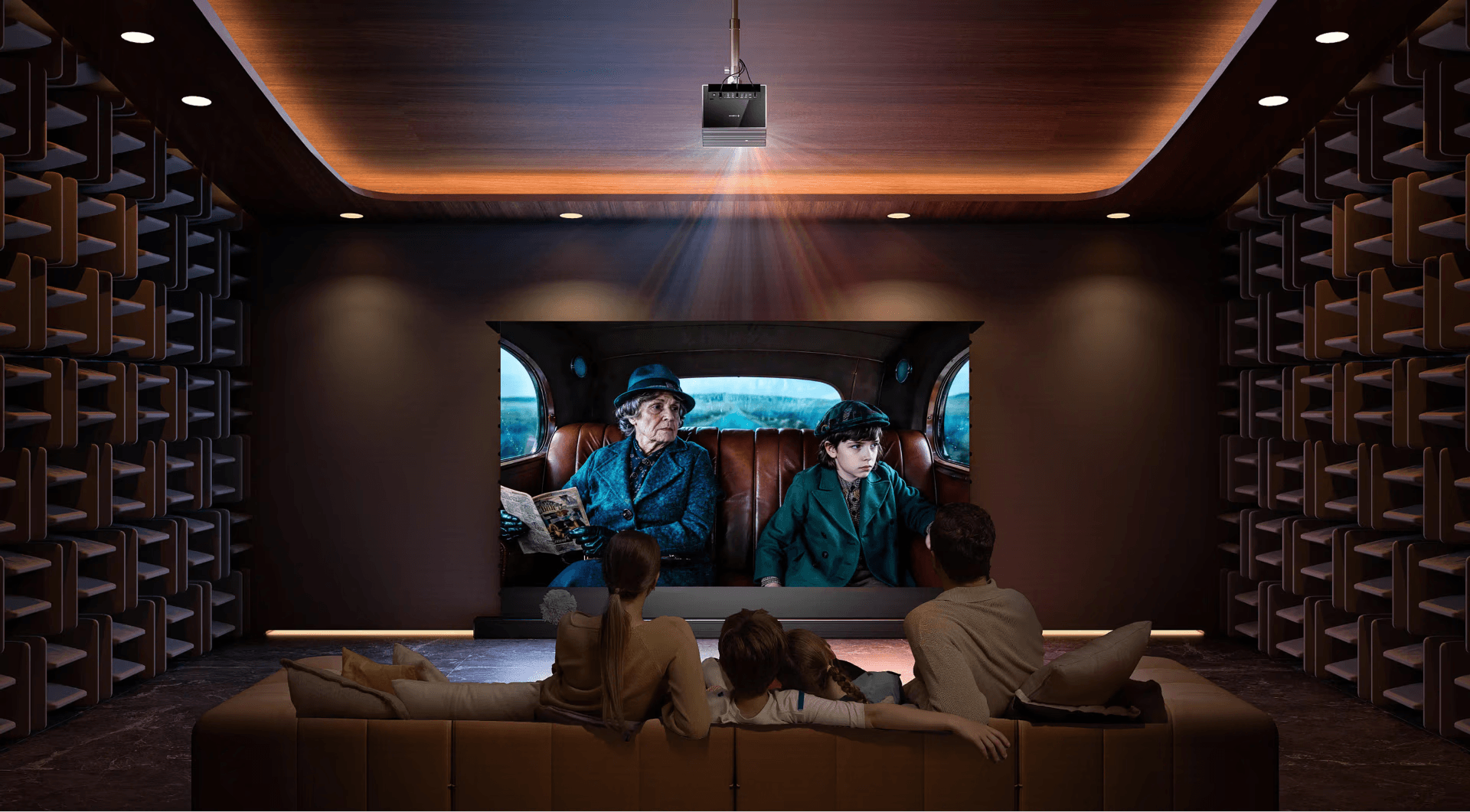
A dedicated, dark home theatre does not necessarily need the highest possible peak brightness. With controlled lighting, a moderate brightness level can produce a more comfortable image while leaving room to prioritise calibrated picture modes, accurate colour, contrast and black levels.
For a 100–120-inch screen in a fully dark room, around 1,500–2,500 measured lumens is a reasonable starting point, rather than a universal target.
For more on creating a dedicated setup, see How to Build a True 4K Home Theatre.
Mixed-use living room
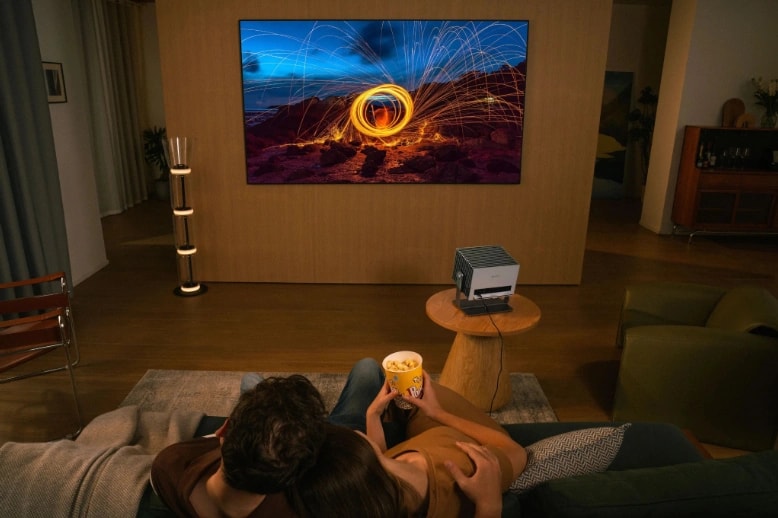
Living rooms need flexibility because windows and lamps introduce ambient light. For a 100–120-inch screen with some indirect light, 2,500–4,000 measured lumens is a useful starting range. Before choosing a brighter projector, improve light control, reposition lamps or use a suitable screen, as reducing direct light on the screen can improve contrast more effectively.
Sport and gaming
Sport and gaming are often viewed with some ambient light, while larger images require more brightness. For a 100–120-inch screen with lights on or moderate ambient light, 2,500–4,000 measured lumens is a useful starting range.
Lumens, 4K resolution, and refresh rate measure different things: light output, image detail, and image updates. A projector can excel in one without necessarily matching the others.
Meetings and classrooms
For meetings and classrooms, prioritise clear text, charts and fine detail over cinematic black levels or colour performance. Larger screens, rooms, and audiences can increase brightness needs. With lights on and a larger display, 3,500–4,100 measured lumens is a useful starting range, with the final requirement depending on screen size and ambient light.
Garden cinema after sunset
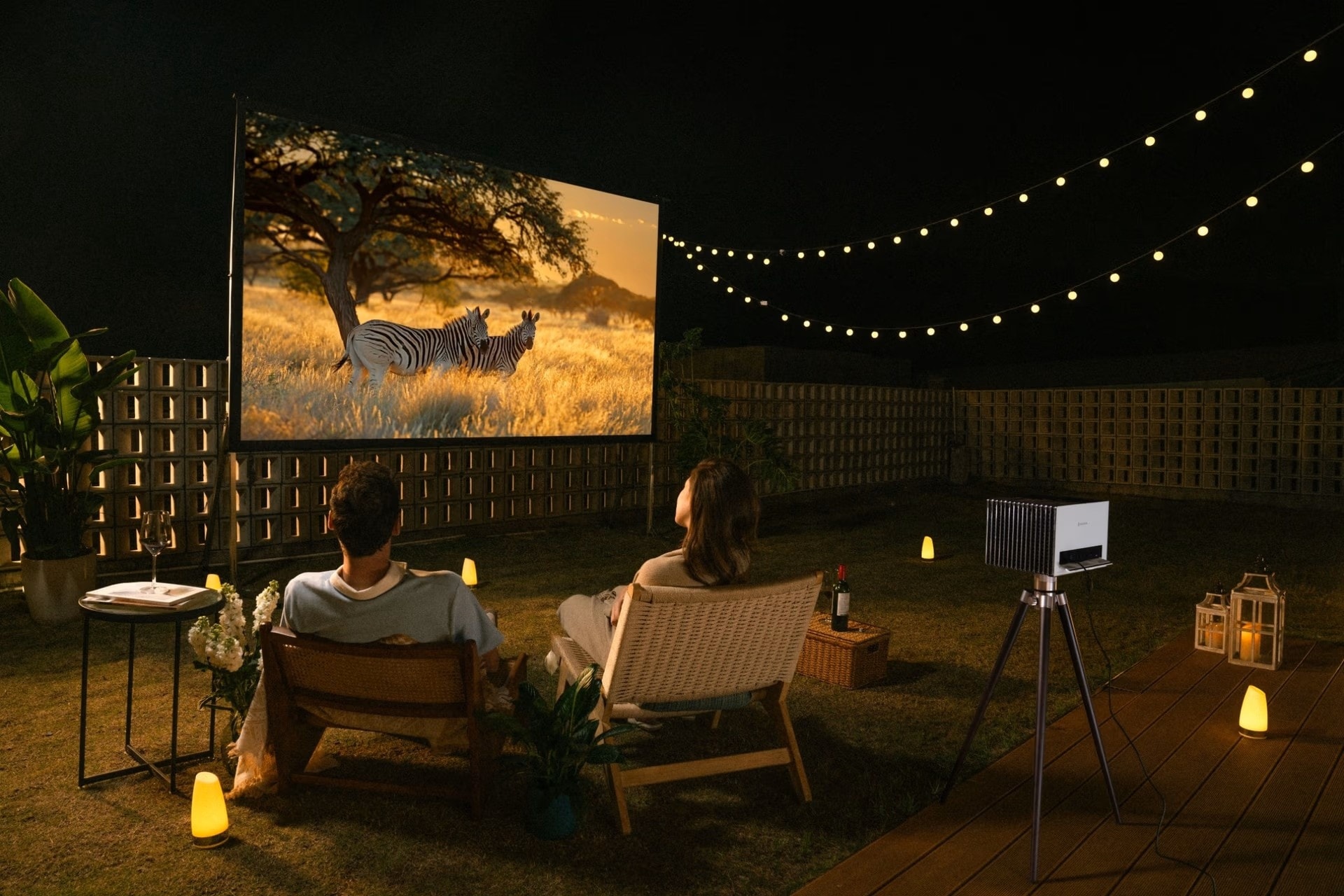
Outdoor projection varies with conditions: UK summer dusk can still reduce contrast, while full darkness is much more favourable. For a 100–150-inch screen after sunset, around 2,500–3,500 standardised lumens can be a reasonable starting point while some ambient light remains, but substantially less may be sufficient once the sky is fully dark. Check the Outdoor Home Cinema Guide for more guidance on outdoor viewing.
Why is direct sunlight a different problem
Direct sunlight can severely reduce projected-image contrast, and increasing brightness cannot fully restore it. A 3,000–5,000-lumen projector should not be assumed to overcome strong sunlight; for daytime outdoor viewing, a television or direct-view LED display may be more suitable because it produces light directly rather than relying on reflected projection.
What 2,000, 3,000, 4,000, and 20,000 Lumens Mean
| Lumens | Typical Information | Key Condition |
| 2,000 | Suitable starting point for many dark-room home cinema setups | Measurement standard and screen size matter |
| 3,000 | More light output for mixed-use rooms or larger images | Compare only like-for-like measurements |
| 4,000 | Relatively high output for many home and smaller business environments | Does not guarantee daylight performance |
| 20,000 | More typical of large-venue or professional projection | Check that the figure uses a recognised standard |
Is 2,000 lumens enough?
2,000 lumens can be enough for a home cinema using a roughly 100–120-inch screen in a dark room, and can also work with controlled lighting depending on the setup. However, 2,000 unspecified lumens should not be treated as equivalent to 2,000 ANSI or ISO lumens. The measurement standard must be checked before making a comparison.
Is 3,000 lumens better than 2,000?
A 3,000-lumen projector offers more rated output than a 2,000-lumen model only when both use the same measurement standard and comparable modes. It is not automatically better; the choice depends on ambient light, screen size, colour performance and viewing mode. For a smart 4K projector, 3,000 lumens may suit brighter rooms or larger images, while 2,000 can be sufficient in darker rooms.
Is 4,000 lumens bright for a projector?
4,000 lumens is a relatively high output for many home cinema and smaller business environments, providing headroom for brighter rooms or larger screens. However, it does not guarantee clear daylight or outdoor performance. In dark rooms, excessive brightness can be managed with an appropriate picture mode or, where supported, reduced output.
Is 20,000 lumens good for a projector?
A genuine 20,000-lumen specification is typically intended for large-venue or professional projection and may be excessive for a standard home theatre. Check the measurement standard carefully: an unspecified “20,000 lumens” claim may not be comparable with a professionally measured 20,000-lumen projector.
Why Rated Lumens Are Not the Whole Picture
Maximum output versus the mode you actually use
Product pages often highlight maximum brightness, but actual output varies by mode, including Cinema, Dynamic, Eco, and Low Noise. When comparing independent measurements, check the tested picture mode, as the maximum rating alone does not represent everyday viewing.
Brightness, black levels, and perceived contrast
Ambient light washes out dark areas and reduces contrast. Increasing white-level brightness cannot fully restore lost black-level depth, so controlling light reaching the screen can be as important as increasing output.
Colour accuracy versus high-output modes
High-output modes may use a different colour balance to maximise brightness, so the brightest mode is not always the most colour-accurate. For guidance on colour settings and calibration, see the Best Colour Temperature for Projectors guide.
Dynamic light control and firmware
AWOL Valerion OTA3 firmware
On the AWOL Valerion Max, OTA3, the newly released firmware, introduces Dynamic Iris, which adjusts the aperture based on scene brightness; EBL Medium for moderate laser adjustment; and Low Noise Mode, which automatically manages laser luminance while reducing fan noise.
AWOL Valerion Max is rated at 3,500 ISO lumens, but these features can change how brightness, contrast and viewing comfort are experienced, illustrating the gap between a fixed specification and real-world viewing.
Conclusion
Projector brightness is a room-and-screen decision, not simply the biggest number on the specification sheet. Define your room, ambient light, and intended image size, then compare clearly labelled, comparable brightness ratings.
For a premium home-cinema setup requiring around 3,500 standardised lumens, review the AWOL Valerion Max specifications to see whether its brightness and features suit your room.
Projector Brightness Checklist Before You Buy
☐ Is the brightness rating ANSI, ISO, or unspecified?
☐ Is a reliable independent measurement available?
☐ Are the products using comparable measurement methods?
☐ Which picture mode produced the stated brightness rating?
☐ How much ambient light reaches the screen?
☐ What image size will you actually use?
☐ What screen material and gain will you use?
☐ Are films, sport, gaming or presentations your priority?
☐ Could better light control solve the problem before you buy more projector output?
Common Projector Lumen Questions
How many lumens are good for a projector?
There is no single ideal lumen figure. The right output depends on ambient light, screen size, screen properties, and the projector’s measurement standard. Use the quick-reference table as a starting point, then adjust for your specific setup.
Can a projector be too bright?
Yes. In a dark room, excessive brightness can produce an unnecessarily intense image and may affect perceived black levels and overall picture balance. A suitable picture mode can help manage output, so maximum brightness is not always the best setting.
Do 4K projectors need more lumens?
4K resolution does not inherently require more lumens. Resolution measures image detail, while lumens measure light output. However, a larger 4K image spreads the available light over a greater area, so a higher output may be useful when projecting a large image in a room with ambient light.
Are more lumens always better outdoors?
No. Full darkness requires less output than dusk, while shade can still require additional brightness. Direct sunlight is a different challenge altogether, as the surrounding light can overwhelm the projected image and reduce contrast. More lumens alone will not guarantee a clear image outdoors.