How Much Does a Laser Projector Cost? A Guide to Price, Performance & Total Cost of Ownership
August 7, 2026
If you're wondering, “How much does a laser projector cost?” The answer depends on the technology, resolution, brightness, and intended use. Most quality home theater laser projectors are priced between $1,000 and $5,000, this laser projector price range varies significantly depending on the light source, resolution, brightness, and intended viewing environment, while premium cinema models cost considerably more.
While their upfront cost is higher than a traditional TV or an older lamp-based projector, the long-term value is significantly different. To measure the true cost of owning a laser projector, you need to understand the hardware differences, specific price tiers, and long-term expenses. This guide breaks down everything you need to know about laser projectors and their setup to set a realistic budget.
Quick Answer: How Much Does a Laser Projector Cost?
Most quality home theater 4K laser projectors cost between $1,000 and $5,000. Different price ranges deliver varying levels of image quality, brightness, and color accuracy.
To help you understand the market and whether laser projectors are worth the investment, here is a breakdown of what you can expect at different price points:
| Budget Tier | Resolution | Laser Technology | Best Use Environment | Recommended Buyer |
|---|---|---|---|---|
| $500 – $1,500 | 1080p | Single Laser / Hybrid | Casual viewing, pop-up movie nights | Beginners, budget-conscious buyers |
| $1,500 – $2,500 | 4K UHD (Pixel Shift) | Single Blue Laser Phosphor | Living rooms, dedicated media rooms | Mainstream buyers, living room upgraders |
| $2,500 – $4,500+ | 4K UHD / Native 4K | RGB Triple Laser | High-end home theaters, gaming | Enthusiasts, purists, serious gamers |
| $5,000+ | Native 4K / 8K | High-Output RGB / Phosphor | Custom home cinemas | Luxury buyers, custom installers |
Laser Projector Price Ranges Explained
Finding the right projector depends entirely on how you plan to use it. If you want a quick recommendation based on your viewing habits and budget, this guide explains what different laser projectors typically cost:
Budget Laser Projectors ($500 – $1,500): Convenience Over Cinema
- What They Deliver: These models prioritize convenience over a true cinematic experience. They are typically portable 1080p units or low-brightness hybrids featuring basic AI picture processing to enhance the image.
- Best For: Backyard movie nights, casual viewing, and taking on the go. They are not ideal for dedicated, light-controlled home theaters.
Mid-Range Laser Projectors ($1,500 – $2,500): The Mainstream Sweet Spot
- What They Deliver: This is the mainstream sweet spot for laser projector pricing. Projectors in this range typically provide 4K UHD resolution (via pixel shifting) and strong ANSI or ISO lumen brightness ratings. They are usually powered by highly efficient single-blue laser phosphor technology.
- Best For: Living room upgraders who want a massive screen for daily television, sports, and movies.
Premium RGB Triple Laser Projectors ($2,500 – $4,500+): The Enthusiast Choice
- What They Deliver: This budget unlocks RGB triple-laser engines, ultra-wide color gamuts (like BT.2020), and premium hardware features. You will also find lower input lag for gaming, as well as support for advanced HDR formats like HDR10 and Dolby Vision.
- Best For: Home theater purists and serious gamers who demand highly accurate colors and smooth motion.
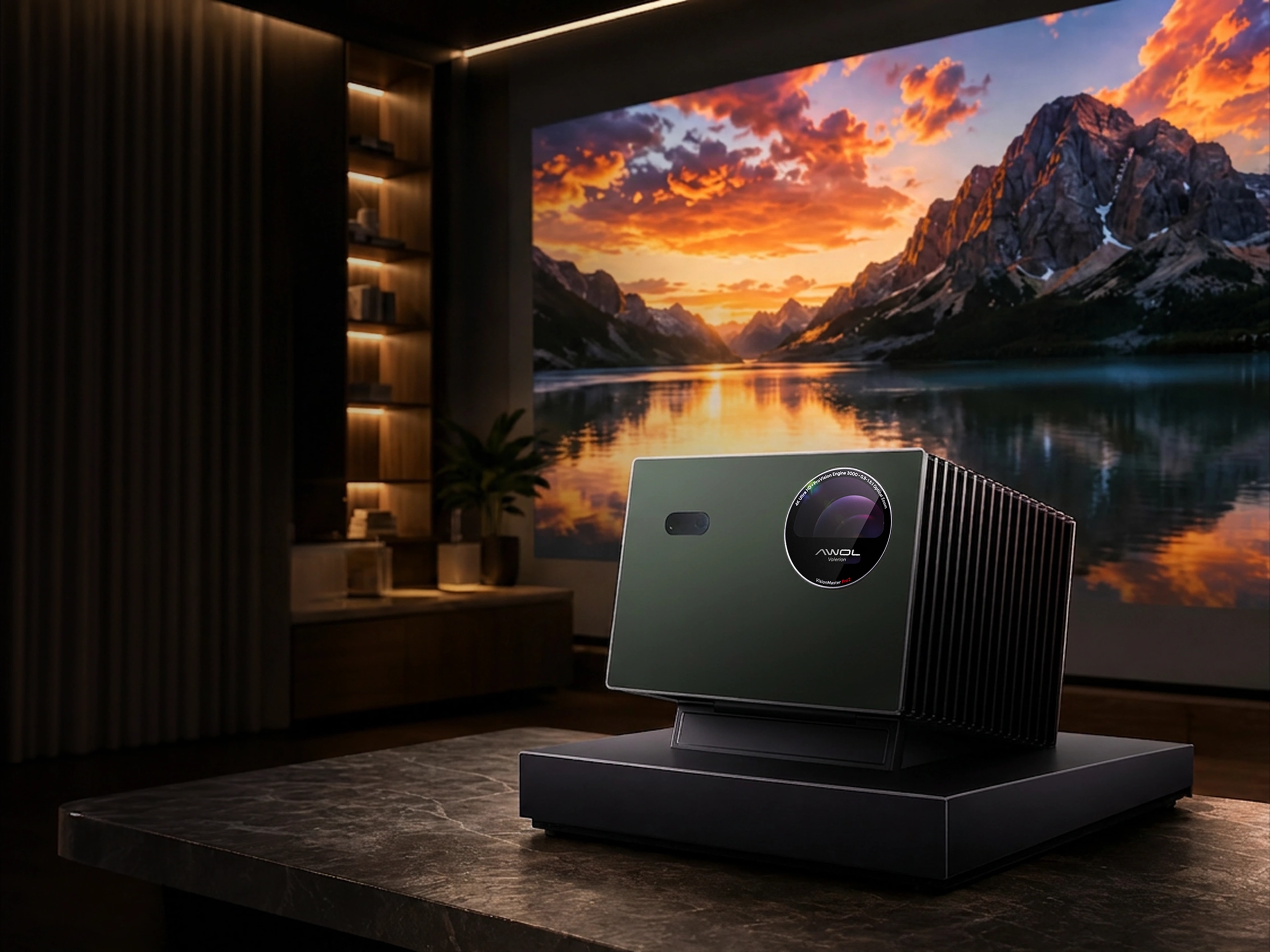
Professional Cinema Laser Projectors ($5,000+)
- What They Deliver: This can approach commercial cinema image quality in suitable environments. These models often feature native 4K imaging chips, exceptional native contrast ratios, and professional-grade optics.
- Best For: Custom-built, dedicated home cinema installations in fully light-controlled rooms.
What Makes Some Laser Projectors More Expensive?
RGB laser projector costs are driven primarily by the quality of their internal hardware. Here is a breakdown of the specific components that dictate the cost.
Laser Light Source Technology
RGB triple-laser systems typically cost more than a standard laser phosphor projector because they use separate red, green, and blue laser diodes. This allows them to reproduce a much wider color gamut. The manufacturing complexity of green laser diodes (often referred to as the "green gap") contributes significantly to this higher price tag.
While single-blue laser phosphor projectors are excellent and highly reliable for everyday use, triple-laser models eliminate the need for a color wheel, providing a richer image for enthusiasts.
Resolution and Imaging Chips
True native 4K imaging chips are prohibitively expensive to manufacture, which is why they are usually reserved for the $5,000+ professional tier.
To keep 4K laser projector costs manageable for mainstream buyers, most DLP projector manufacturers utilize Texas Instruments’ (TI’s) 0.47-inch DMD chips combined with XPR pixel-shifting technology. This technology flashes 1080p frames at incredibly high speeds to produce a 4K UHD image on the screen, offering excellent clarity at a fraction of the native 4K price.
Contrast, Dynamic Iris, and Lens Quality
Standard projectors have historically struggled with deep black levels, but premium laser projectors solve this using advanced hardware.
High-end models, including advanced LCoS projector variants, often include a physical, mechanical Dynamic Iris, which physically controls light output to maximize the contrast ratio and create rich, deep blacks. Some premium laser projectors include a mechanical Dynamic Iris, while others rely on laser dimming or dynamic light control. Additionally, expensive projectors feature all-glass optical lenses with physical lens shift. Lens shift allows you to adjust the projected image vertically or horizontally without physically moving the projector or sacrificing image quality.
Gaming and Processing Power
Achieving an ultra-low 4ms input lag at a 240Hz refresh rate requires expensive processing chips. Projectors equipped with these premium processors deliver the responsiveness of a high-end gaming monitor, scaled up to a massive 120-inch screen.
Are Laser Projectors Worth the Cost? (Total Cost of Ownership & Laser vs. Lamp Projectors)
Given the higher upfront cost, are laser projectors worth it compared to traditional lamp projectors? When debating what is the difference between a traditional lamp projector and a modern laser projector, lamp projectors will almost always seem cheaper upfront. However, the true value lies in the Total Cost of Ownership (TCO).
Traditional projector bulbs degrade over time and typically need replacing every 1 to 2 years, depending on your usage. You will typically spend between $150 and $350 per replacement bulb, which adds up quickly over a decade.
In contrast, the lifespan of a laser projector is generally 20,000 to 30,000 hours with virtually zero maintenance. If you use the projector for four hours every single day, the laser light source will easily outlast the useful life of the projector, potentially saving you hundreds, and for heavy users, sometimes thousands of dollars in lamp replacements.
Hidden Costs Beyond the Projector
How much should you budget beyond the projector itself? Planning for accessories ensures you aren’t caught off guard during setup.
Do You Need an ALR Screen?
The answer depends entirely on your room environment. If you are building a dedicated home cinema projector setup in a dark basement, a standard white screen will work beautifully. However, if you are setting up in a bright living room or different room with different throw projectors, choosing the right Ambient Light Rejecting (ALR) screen is essential, and these can cost between $500 and $2,000.
Crucial Note: You must match the screen to your projector's throw ratio.
- Standard/Long-Throw projectors require ALR screens designed specifically for standard throw distances.
- Ultra Short Throw (UST) projectors require ALR screens specifically designed for UST projection. These screens are engineered to reject ambient light from above while reflecting the projector’s steep-angle light output back toward the viewer.
Installation and Audio Accessories
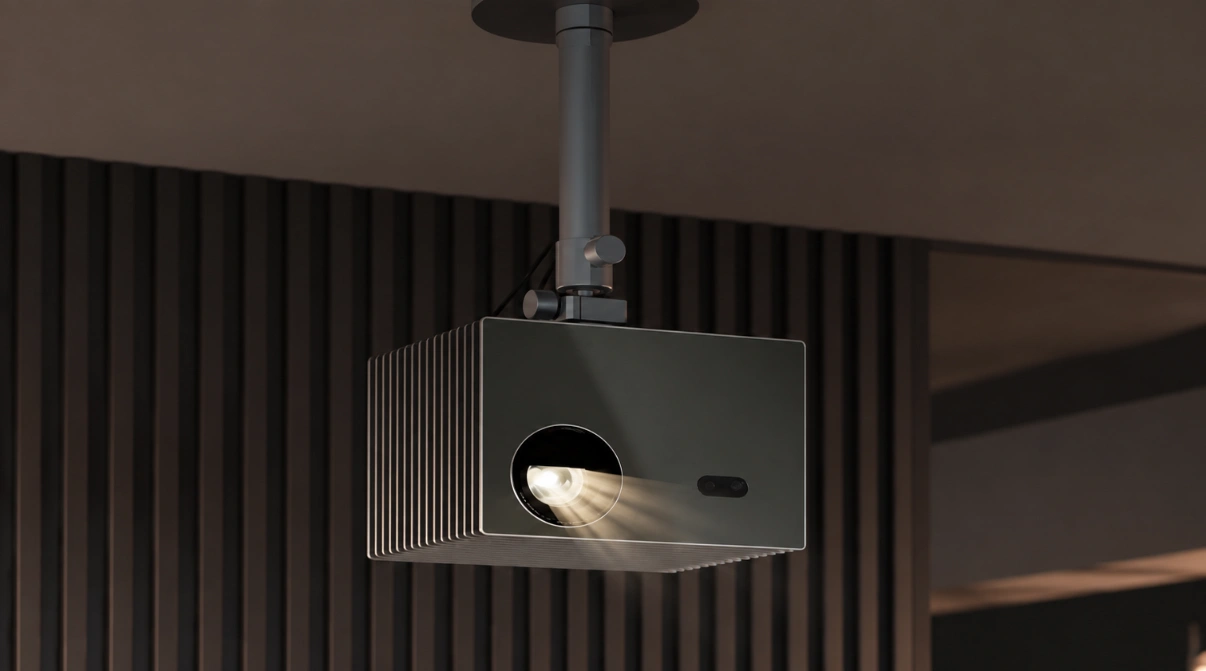
Mounting and cabling typically account for 5–10% of your total budget. If you are ceiling-mounting a projector, set aside funds for a quality mount and active optical HDMI cables to carry high-bandwidth 4K signals over long distances. Finally, remember that projectors do not typically feature robust built-in sound; budget accordingly for a soundbar or a dedicated surround sound system.
How Much Should You Spend on a Laser Projector?
Your use case determines what kind of projector setup and projector you should invest in. Here is a guideline for how much you can expect to spend on a 4K laser projector, based on the experience you want:
| Budget | Best for |
|---|---|
| $500 - $1,500 | Casual Movie Night |
| $1,500 - $3,000 | Living Room TV Replacement |
| $3,000 - $5,000 | Dedicated Dark Theater or Hardcore Gaming |
What You Get at Different Price Points: AWOL Valerion Examples
Depending on your budget, you will get different experiences from different projectors. Brands like AWOL Vision illustrate what you can expect at different tiers. AWOL Valerion projector lineup set a strong benchmark for performance across these price ranges.
- Around $2,000 – $3,000: In this mid-range tier, you should look for high brightness and advanced color engines. Models like the AWOL Valerion Pro showcase this by offering an RGB triple-laser engine and strong ISO lumen ratings in a price bracket where many competitors still rely on single-laser tech.
- Around $4,000+: At the enthusiast tier, projectors like the AWOL Valerion Max include uncompromising hardware. Expect features and benefits like physical lens shift for projecting at an angle, a mechanical Dynamic Iris with Enhanced Black Level algorithms (capable of a 50,000:1 contrast ratio), and premium processing that delivers ultra-low 4ms gaming latency at a 240Hz refresh rate.
Frequently Asked Questions
Why are laser projectors so expensive compared to TVs?
Laser projectors are priced higher due to their advanced internal components, including large optical glass lenses, complex laser diodes, and micro-mirrors. These precision parts allow them to scale a highly detailed image up to 150 inches. In contrast, LCD and OLED TV panels benefit from massive economies of scale, making them cheaper to mass-produce at smaller sizes.
Do laser projectors use a lot of electricity?
No. Laser light sources are much more energy-efficient than traditional projector lamps. While actual power consumption depends on the projector's brightness output, laser projectors are generally highly efficient and cheaper to run over time.
Are 4K laser projectors worth the price?
Yes. If you want a screen size larger than 85 or 100 inches, a TV becomes significantly more expensive or logistically difficult to install. A 4K laser projector provides large-screen cinematic experience with an operating lifespan of 20,000 to 30,000 hours.
Do laser projectors require lamp replacements?
No. Because they use solid-state laser diodes instead of traditional bulbs, there are no lamps to replace. This eliminates the primary maintenance cost associated with older home theater projectors.
What maintenance costs should I expect with a laser projector?
Routine maintenance is minimal. Depending on the model, you may simply need to occasionally wipe away external dust, clean a removable air filter, and run periodic software or firmware updates.
Are repair costs for laser projectors expensive?
If a specialized optical or laser component fails outside of warranty, repairs can be costly. However, because laser projectors lack consumable, heat-generating bulbs, they run cooler and generally experience far fewer service issues over their product lifetime compared to lamp-based models.
Member Benefits
Bring Your Cinema Experience Further
Subscribe and receive a $50 Welcome Benefit plus 4 pairs of 3D glasses, along with exclusive Valerion updates.

Points & Rewards

Member Pricing

Early Access

Priority Support
Discover More Insights